



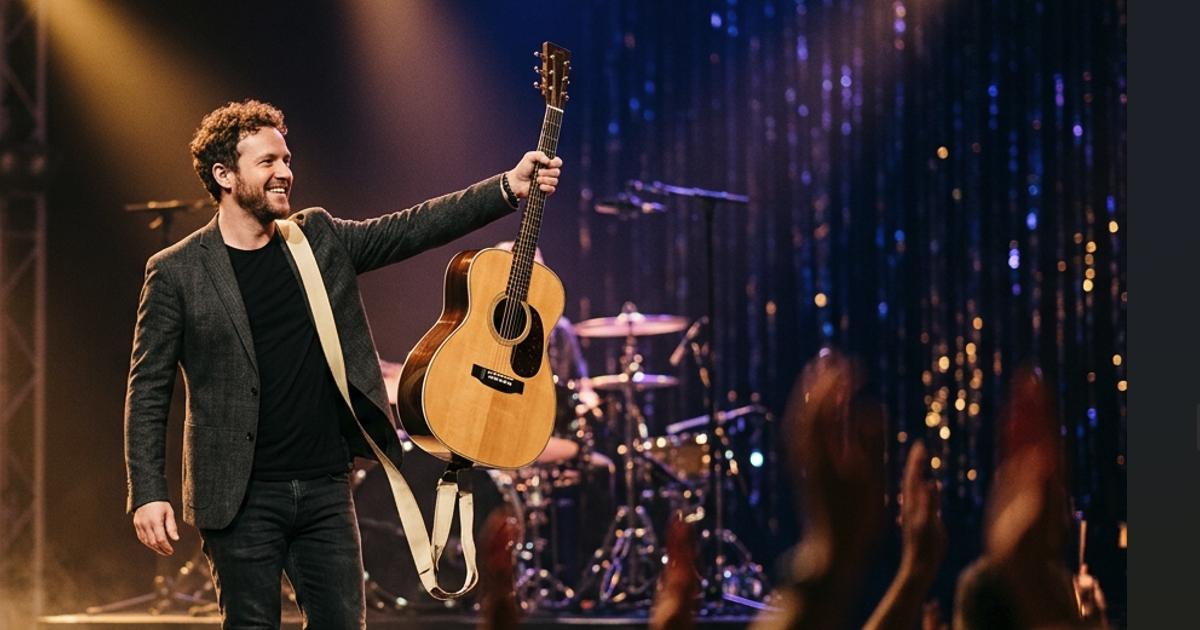

There is a moment every working musician knows well. The last note fades, the crowd applauds, and for a few seconds, everything feels exactly right. Then the next morning arrives, and you are back at your desk, phone in hand, wondering how to fill the next open date on your calendar. After more than two decades performing across the country, from touring with an 80s dance band to headlining at Las Vegas casinos to playing packed bars and private events throughout Minnesota, I have learned that the art of getting gigs is just as important as the art of performing them.
Whether you are a fellow musician trying to grow your bookings or an event planner trying to understand what it really takes to keep a live act on the road, this post is for you. Let us dig into the real, unglamorous, deeply rewarding work of building a steady performance calendar.
Understanding the Landscape: Where the Gigs Actually Are
When most people think about live music bookings, they picture big venues with marquee signs. The truth is that the most consistent, reliable gig opportunities often come from places that do not make the headlines. Learning to see opportunity in every setting is one of the most valuable skills a working entertainer can develop.
Bars and Restaurants
Local bars and restaurants are the backbone of a working musician's calendar. They book regularly, they often have loyal local crowds, and if you do well, they will have you back again and again. The key is to approach them professionally, show up prepared, and deliver a performance that makes their customers want to stay longer and come back sooner.
Private Events and Parties
Private events, including birthday parties, anniversary celebrations, retirement parties, graduation gatherings, and corporate functions, are some of the most lucrative gigs available to a solo performer. These clients are often willing to invest more in entertainment because the event matters deeply to them personally. Word of mouth from a great private event can lead to three or four more bookings, sometimes within the same week.
Community Events and Festivals
Outdoor festivals, community fairs, and seasonal events are another strong avenue. These bookings tend to be seasonal, but they expose you to large, diverse audiences and often lead to inquiries from attendees who want to hire you for their own events.
Making the Ask: How to Approach Venues and Clients
Even seasoned performers can find the outreach process uncomfortable. Asking someone to hire you feels vulnerable, and rejection is never easy. But consistent, professional outreach is the engine that keeps a performance calendar full. Here is how to approach it without feeling like you are begging for work.
Do Your Research First
Before you contact any venue or event planner, learn a little about them. What kind of crowd do they attract? What kind of music fits their atmosphere? Have they hosted live entertainment before? Walking into a conversation with that knowledge shows respect and professionalism, and it immediately sets you apart from performers who send generic, copy-paste inquiries to every venue in the phone book.
Lead with Value, Not Need
Nobody books a performer because that performer needs a gig. They book a performer because that performer is going to make their event better, bring in more customers, or create an atmosphere their guests will love. When you reach out, focus on what you can do for them, not on what you need from them. Describe your show, share what makes it unique, and explain how a live performance could benefit their specific venue or event.
Follow Up Without Being a Nuisance
Most bookings do not happen on the first contact. A polite, professional follow-up a week or two after your initial outreach is not only acceptable, it is expected. Keep it brief, keep it warm, and make it easy for them to say yes. If they say no, thank them genuinely and leave the door open for the future. Venues change, budgets change, and the person who said no in January may be the one calling you in July.
What Sets You Apart: Building a Brand That Books Itself
In a competitive entertainment market, the performers who stay busy are not always the most technically gifted. They are the ones who have built a recognizable, trustworthy brand that makes people feel confident booking them. Here is what that looks like in practice.
Your Reputation Is Your Greatest Marketing Tool
Every single performance is an audition for your next ten gigs. When you show up on time, play well, treat staff with respect, and leave a venue better than you found it, people notice. Venue owners talk to each other. Event planners share recommendations. A reputation for being easy to work with and consistently excellent is worth more than any advertising budget.
Your Online Presence Matters More Than You Think
Most clients and venue managers will look you up online before they ever reach out. A clean, professional website with a clear description of your act, audio or video clips, and contact information is essential. Social media presence helps too, not just for promotion, but for showing that you are active, engaged, and current. Make it easy for people to find you and even easier for them to contact you.
Testimonials and References Close the Deal
Nothing sells a booking faster than hearing from someone who has already experienced your show. Ask happy clients and venue managers for a quick testimonial. A few genuine, specific words from a satisfied customer on your website or social pages can tip a hesitant prospect into a confident yes.
The Practical Side: Rates, Contracts, and Professionalism
Getting the call is one thing. Closing the booking professionally is another. Here are a few things every working performer should have dialed in before they start making calls.
- Know your rates and be able to communicate them clearly and confidently without apologizing for what you are worth.
- Have a simple, clear contract that outlines the date, time, duration, rate, deposit requirements, and cancellation policy.
- Be transparent about what you need from the venue, including power requirements, space, sound setup, and load-in time.
- Respond to inquiries quickly. In a world where everyone expects instant communication, a slow response can cost you a booking.
- Confirm every gig in writing, even if the initial agreement was made by phone or in person.
- Send a friendly reminder to the client a few days before the event so everyone is on the same page.
Staying Consistent When the Calendar Gets Quiet
Every performer, no matter how experienced, goes through slow stretches. The calendar thins out, the phone stops ringing, and doubt has a way of creeping in. What separates working entertainers from those who quit is the ability to stay consistent and proactive during those quiet periods rather than waiting for the work to come to them.
Use the slow time to reach out to new venues, refresh your promotional materials, learn new songs, update your website, or reconnect with past clients to let them know you are available. Momentum in this business is built through steady, unglamorous effort. The performers who stay busy are usually the ones who never fully stop working, even when the gigs do not feel like they are coming fast enough.
After more than twenty years on stages of every size, from the dance floors of touring band life to the casino showrooms of Las Vegas to the bars and event halls of Minnesota, the one thing I know for certain is this: the work of getting gigs never fully ends, and that is not a bad thing. Every new booking is a new chance to do what you love in front of people who need exactly what you have to offer. Keep showing up, keep reaching out, and keep delivering your best every single time the lights go on.
