



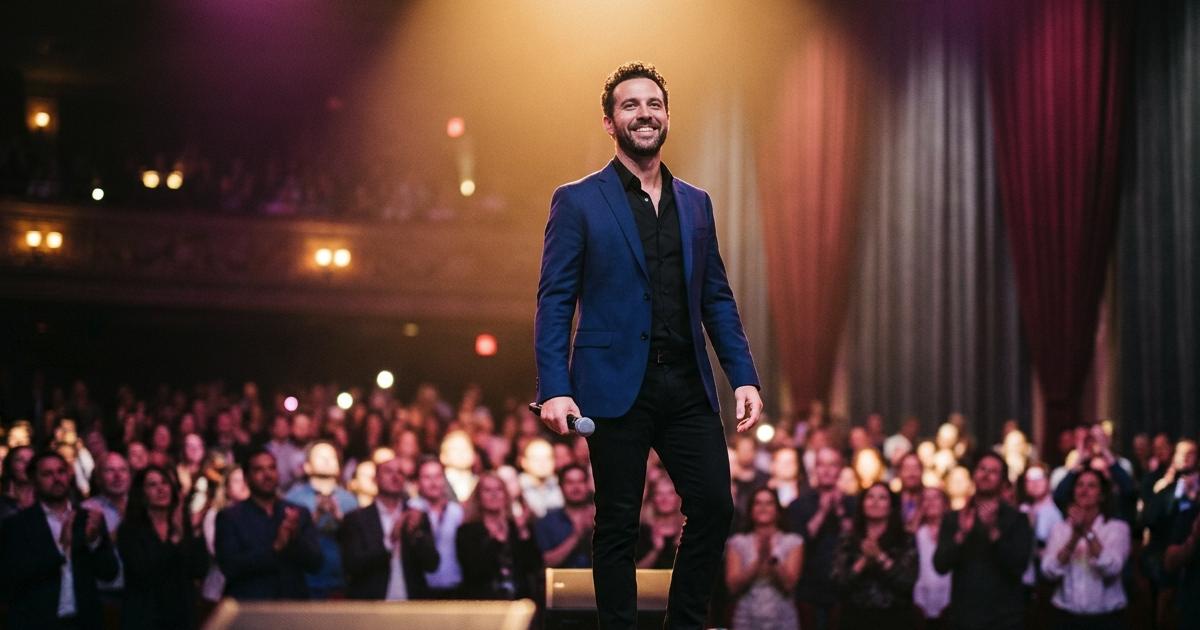

After more than two decades of performing across the United States, from the highways of an 80s touring band to the glittering stages of Las Vegas and now the thriving venue scene throughout Minnesota, I have learned a thing or two about how this business actually works. And one of the most common questions I get from fans, aspiring performers, and even event planners curious about the process is simply this: how does a working entertainer keep the calendar full?
The truth is, booking gigs is not just about talent. It is about relationships, persistence, professionalism, and knowing how to put yourself in the right room at the right time. Whether you are a venue owner looking to understand how live entertainment gets sourced, or someone simply curious about the behind-the-scenes hustle that keeps a performer like me on stage week after week, this post is for you.
The Foundation: Building a Reputation That Books Itself
Before any email gets sent or any phone call gets made, your reputation is already working for you or against you. In the live entertainment world, word of mouth is everything. After years of shows, the single most powerful booking tool I have is a track record of showing up, delivering a great performance, and making the job easy for everyone involved.
What Venues Are Really Looking For
When a bar owner, restaurant manager, or event coordinator is considering live entertainment, they are not just thinking about whether the performer is talented. They are thinking about reliability, professionalism, and whether booking that act is going to create more problems or solve them. Here is what most venues want to know before they say yes:
- Will you show up on time and be set up when you said you would?
- Will you read the room and adapt your setlist to the crowd?
- Can you handle technical issues without drama or disruption?
- Do you have a professional press kit, promo materials, and audio samples ready to share?
- Are you easy to communicate with before, during, and after the booking?
These things matter just as much as your vocal range or your repertoire. Professionalism is the product, and talent is the bonus that keeps them coming back.
Getting in the Door: Strategies That Actually Work
Once your foundation is solid, the next challenge is getting opportunities to prove what you can do. Over the years I have used a combination of old-school hustle and modern tools to keep my schedule booked and growing.
Cold Outreach Done Right
There is no magic formula here. At some point, you have to pick up the phone or send that email. The key is making sure your outreach feels personal and relevant rather than generic. Before you contact a venue, visit it. Know their vibe, their crowd, and their schedule. Then reach out with a clear, professional message that explains exactly what you offer, what makes your show unique, and why you would be a great fit for their space specifically.
I always lead with what I can do for them, not just what I am looking for. Venues are businesses. They want to know how live music is going to bring people in, keep them there longer, and create an experience that gets talked about. Lead with value and you will get a lot further than leading with your highlight reel.
Leveraging Social Media and Video
In today's world, a strong online presence is your digital handshake. Short video clips from live performances, behind-the-scenes moments, and even quick reels showing the range and energy of your show go a long way. Event planners and venue owners are scrolling just like everyone else, and if they stumble across a clip that stops them mid-scroll, you are already halfway to a booking conversation.
Consistency matters more than perfection here. You do not need a film crew. You need real, authentic content that shows who you are as a performer and why sharing a stage or a room with you is something special.
Private Events and Corporate Gigs
One of the most underrated booking markets for live entertainers is the private event world. Weddings, corporate parties, milestone birthdays, retirement celebrations, holiday events, and private gatherings of all kinds are a goldmine for working musicians. These clients are often willing to invest more in the entertainment because they want the night to feel elevated and memorable.
Getting into this market often means connecting with wedding planners, event coordinators, and corporate event teams in your area. A referral from one planner can lead to a string of bookings across an entire season. Build those relationships with the same care you would give any important professional connection.
Keeping the Momentum Going
Landing gigs is one thing. Building a sustainable, thriving performance schedule is another. The entertainers who stay busy year after year are the ones who treat every single show like it is an audition for the next one, because in many ways, it is.
Follow Up and Stay in Touch
After every show, especially at a new venue or event, follow up. Thank the organizer or venue manager. Ask for feedback. Make it clear that you are interested in coming back. A simple, genuine follow-up message goes a long way and puts your name back in front of the decision-maker right when they are reflecting on how the night went.
Create Packages and Make It Easy to Say Yes
The easier you make the booking process, the more bookings you will get. Have clear package options ready. Know your rates. Have a simple agreement or contract. Be responsive. When someone has to chase you down for basic information, you are losing bookings to entertainers who make the process feel effortless.
Over the years I have worked hard to make every part of working with me as smooth and enjoyable as the performance itself. From the first inquiry to load-out at the end of the night, I want every client to feel like they made the right call the moment they booked me.
Never Stop Growing Your Craft
The best booking strategy of all is continuing to get better. Add new songs to your repertoire. Invest in your sound and equipment. Take a creative risk. I recently added live flute to my show, and it has become one of the most talked-about elements of my performances. Growth keeps your show fresh, gives you new stories to tell, and gives venues a reason to bring you back with something new to offer their audience.
The road to a full calendar is not a straight line, but for those willing to put in the work both on and off the stage, it is absolutely within reach. If you are a venue owner, event planner, or someone dreaming up a celebration and you want to talk about bringing live entertainment to your next event, I would love to hear from you. Let's make something unforgettable together.
